Date: 24 Aug 2026 | Category : child specialist
How Regular Pediatric Check-Ups Support Better Child Healthcare in Faridabad
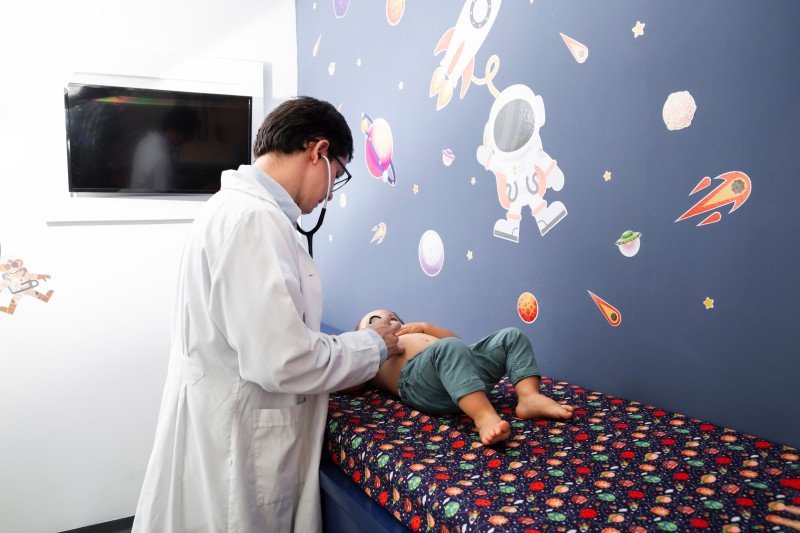
Parents often focus on taking their child to a doctor when illness appears. However, regular pediatric visits can do much more than treat a fever, cough, or infection. Routine check-ups help monitor growth, development, nutrition, immunization, and overall well-being. For families looking for reliable Child Healthcare in Sector 35 Faridabad, scheduled pediatric consultations can provide an important foundation for preventive and long-term care.
For fast information, direct chat with us on WhatsApp.
Regular pediatric check-ups help children stay healthy by monitoring physical growth, development, nutrition, vaccinations, vision, hearing, and age-specific health concerns. They also allow pediatricians to identify potential problems early and guide parents about diet, sleep, hygiene, safety, and healthy habits. Routine visits are useful even when a child appears completely healthy.
Why Are Regular Pediatric Check-Ups Important?
Children change rapidly as they grow. Their nutritional requirements, physical abilities, communication skills, emotional needs, and health risks also change with age. Therefore, pediatric care should not focus only on treating diseases.
During a routine visit, a pediatrician can assess whether your child is progressing appropriately and identify areas that may need additional attention. For example, changes in growth patterns, delayed developmental milestones, feeding difficulties, or repeated infections may become easier to recognize when a child receives consistent medical monitoring.
Moreover, regular visits give parents an opportunity to discuss concerns that may not require emergency care but still deserve professional guidance.
What Does a Routine Pediatric Check-Up Include?
A pediatric consultation usually depends on the child's age, medical history, and individual needs. However, several important areas commonly form part of preventive child healthcare.
Growth and Physical Development
Your child's height, weight, and other growth measurements can help the pediatrician understand their growth pattern over time. Looking at trends is often more informative than focusing on a single measurement.
The doctor may also examine the child's general physical health and discuss changes that are expected at their particular stage of development.
Developmental Milestones
Pediatricians assess age-appropriate developmental skills. These may include:
- Movement and coordination
- Speech and language
- Social interaction
- Learning and problem-solving
- Emotional and behavioral development
If a child does not reach an expected milestone or loses a skill they previously had, timely evaluation can be important.
Vaccination and Preventive Care
Immunization remains an important part of childhood preventive healthcare. A pediatrician can review your child's vaccination record and recommend vaccines according to the applicable immunization schedule.
Keeping records updated also helps parents identify missed or delayed vaccinations and discuss appropriate catch-up options with their doctor.
Nutrition and Healthy Eating
Nutrition plays a major role in childhood growth. Yet, parents often have questions about picky eating, portion sizes, milk intake, supplements, weight gain, and introducing different foods.
A pediatrician can provide age-appropriate nutritional guidance based on the child's growth, diet, activity level, and health needs instead of recommending a one-size-fits-all approach.
How Child Healthcare in Sector 35 Faridabad Supports Early Detection
One of the major benefits of routine pediatric care is the opportunity to identify potential concerns before they become more complicated.
A child may not always show obvious symptoms when a health or developmental issue begins. Regular monitoring gives the pediatrician a baseline for comparison and makes changes easier to recognize.
For instance, repeated respiratory infections, persistent digestive complaints, poor weight gain, developmental concerns, or changes in behavior may require further assessment. Early attention does not necessarily mean that a child has a serious condition. Instead, it allows parents and doctors to understand the situation and decide whether further evaluation is appropriate.
When Should Parents Schedule a Pediatric Visit?
Preventive visits should follow an age-appropriate schedule recommended by your pediatrician. In addition, parents should seek medical advice whenever they notice a significant or persistent concern.
Consider contacting a pediatrician if your child has:
- Persistent fever or recurring infections
- Difficulty breathing or prolonged cough
- Poor appetite or concerns about weight gain
- Ongoing vomiting, diarrhea, or constipation
- Sleep problems that persist
- Delayed speech or developmental milestones
- Significant behavioral or learning concerns
- Unusual fatigue or reduced activity
- A noticeable change in eating or drinking habits
For severe symptoms, sudden deterioration, breathing difficulty, seizures, significant dehydration, or other emergency warning signs, seek urgent medical care rather than waiting for a routine appointment.
What Parents Should Discuss During a Check-Up
Parents sometimes hesitate to mention concerns because they seem minor. However, pediatric appointments are an appropriate place to ask questions.
Before the appointment, consider noting:
- Changes in appetite or sleep
- New or recurring symptoms
- School or behavioral concerns
- Changes in bowel or urinary habits
- Current medications or supplements
- Previous illnesses or hospital visits
- Vaccination history
- Questions about nutrition and physical activity
Being specific can help the pediatrician understand the concern more clearly. For example, instead of saying that a child “doesn't eat well,” explain what the child typically eats during a day and how long the concern has been present.
Building Healthy Habits Beyond the Doctor's Clinic
Pediatric healthcare also involves everyday choices at home. Parents can support healthy development by encouraging balanced meals, adequate sleep, regular physical activity, good hand hygiene, dental care, and appropriate screen-time habits.
Children also benefit from a safe and supportive environment where parents listen to their concerns and encourage healthy communication.
Most importantly, avoid comparing one child's development directly with another's. Children can develop at different rates. A pediatrician can help determine whether an observed difference falls within an expected range or needs further assessment.
Choosing Pediatric Care in Faridabad
For families in and around Sector 35, Faridabad, convenient access to pediatric care can make it easier to maintain regular appointments. When choosing a pediatrician, parents should consider qualifications, experience, communication style, availability, and the clinic's approach to preventive healthcare.
A good pediatric consultation should give parents clear, understandable information and an opportunity to discuss their child's individual needs. Continuity of care can also be valuable because a pediatrician who knows the child's medical history can better understand changes over time.
Conclusion
Regular pediatric check-ups are an important part of preventive care because they look beyond immediate illnesses and focus on a child's overall growth, development, nutrition, immunization, and well-being. For families seeking dependable Child Healthcare in Sector 35 Faridabad, routine consultations can help identify concerns early and provide practical guidance at every stage of childhood. Parents do not need to wait until a child becomes seriously unwell before seeking professional advice. If you have questions about your child's growth, development, diet, vaccinations, or recurring symptoms, consider scheduling a pediatric consultation with Dr. Meghana Phadke Sultania for personalized guidance and age-appropriate care.