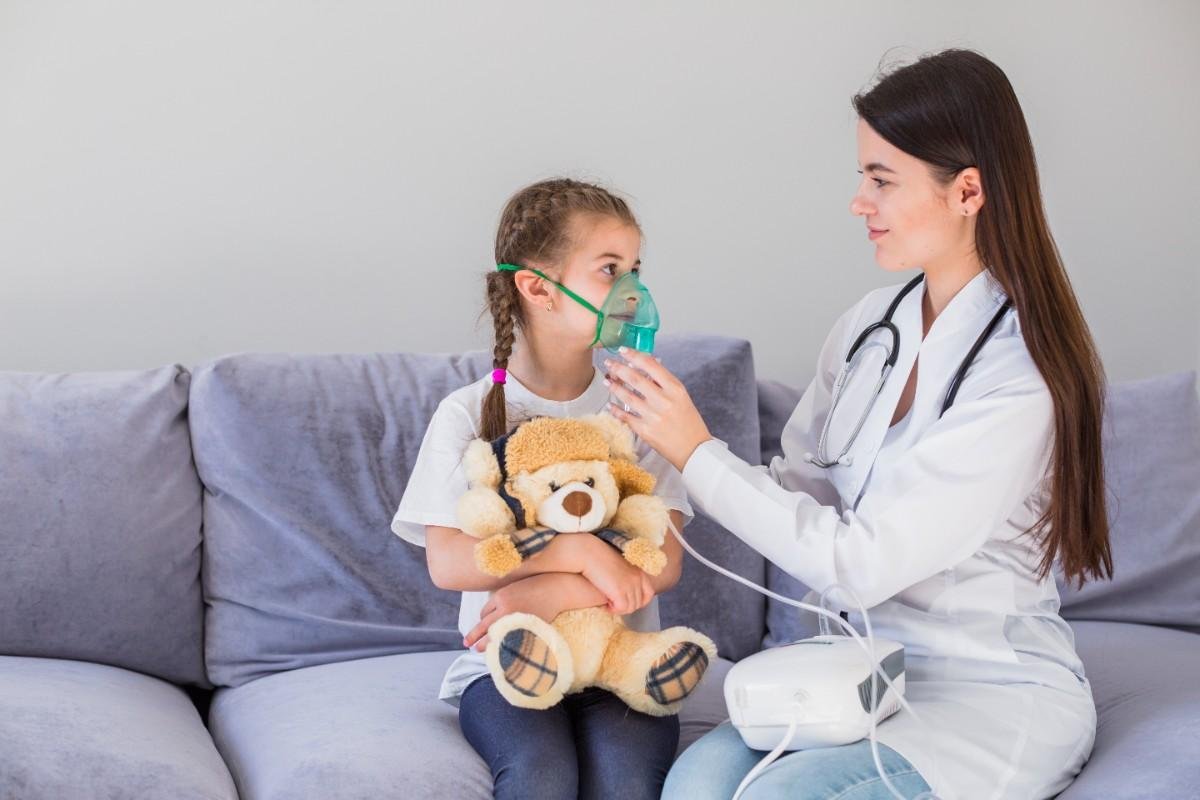
Paediatrics Asthma and Allergy
Asthma and allergies are among the most common chronic conditions affecting children, significantly impacting their quality of life, school performance, and overall well-being. Paediatric asthma, characterized by airway inflammation and bronchoconstriction, and allergies, triggered by immune responses to environmental stimuli, often coexist, complicating diagnosis and management. These conditions require a multifaceted approach involving medical treatment, environmental control, education, and counselling to support children and their families. This 3,000-word guide provides an in-depth exploration of paediatric asthma and allergies, covering their causes, symptoms, diagnosis, management, and the role of counselling. Aimed at healthcare providers, parents, educators, and counsellors, it seeks to equip stakeholders with the knowledge to effectively manage these conditions and promote optimal health outcomes for children.
1. Overview of Paediatric Asthma and Allergies
1.1 Paediatric Asthma
Asthma is a chronic respiratory condition characterized by reversible airway obstruction, inflammation, and hyperresponsiveness. It affects approximately 5–10% of children globally, with higher prevalence in urban areas. In children, asthma often presents as recurrent episodes of wheezing, coughing, chest tightness, and shortness of breath, triggered by allergens, infections, exercise, or irritants.
1.2 Paediatric Allergies
Allergies result from an exaggerated immune response to harmless substances (allergens), such as pollen, dust mites, or food. Common allergic conditions in children include:
Allergic Rhinitis: Nasal congestion, sneezing, and itchy eyes caused by airborne allergens.
Atopic Dermatitis (Eczema): Chronic, itchy skin inflammation often linked to food or environmental allergens.
Food Allergies: Reactions to foods like peanuts, milk, or eggs, ranging from mild rashes to life-threatening anaphylaxis.
Allergic Asthma: Asthma triggered or worsened by allergens.
Asthma and allergies are closely linked, with allergic rhinitis and eczema often preceding asthma development in a pattern known as the "atopic march." Approximately 80% of children with asthma have coexisting allergies.
2. Causes and Risk Factors
2.1 Causes of Asthma
Asthma results from a complex interplay of genetic and environmental factors:
Genetic: Family history of asthma or atopy (allergic predisposition) increases risk.
Environmental: Exposure to allergens (e.g., dust mites, pet dander), pollutants (e.g., tobacco smoke, air pollution), or viral respiratory infections.
Immunological: Dysregulated immune responses, particularly in early childhood, contribute to airway inflammation.
2.2 Causes of Allergies
Allergies arise from immune system hypersensitivity to allergens:
Genetic: Atopic predisposition, with genes regulating IgE (immunoglobulin E) production playing a key role.
Environmental: Early exposure to allergens, lack of microbial diversity (hygiene hypothesis), or dietary factors.
Lifestyle: Urbanization, processed food diets, or reduced breastfeeding may heighten allergy risk.
2.3 Common Triggers
Respiratory Allergens: Pollen, mold, dust mites, pet dander.
Food Allergens: Peanuts, tree nuts, milk, eggs, wheat, soy, fish, shellfish.
Irritants: Tobacco smoke, air pollution, strong odors, cold air.
Other Triggers: Viral infections, exercise, stress, weather changes.
2.4 Risk Factors
Premature birth or low birth weight.
Obesity, which exacerbates asthma severity.
Socioeconomic factors, such as poor housing conditions or limited healthcare access.
Psychological stress, which can worsen symptoms.
3. Symptoms and Identification
3.1 Asthma Symptoms
Symptoms vary by age and severity, often worsening at night or during physical activity:
Infants/Toddlers (0–5 years): Wheezing, persistent cough, difficulty feeding, or irritability.
School-Age Children (6–12 years): Wheezing, shortness of breath, chest tightness, cough (especially at night), reduced exercise tolerance.
Adolescents (13–18 years): Similar symptoms, plus self-reported fatigue or avoidance of physical activities.
Red Flags:
Severe shortness of breath, cyanosis (blue lips), or inability to speak in full sentences, indicating an asthma exacerbation requiring immediate medical attention.
3.2 Allergy Symptoms
Allergic Rhinitis: Sneezing, runny/stuffy nose, itchy eyes/throat, postnasal drip.
Atopic Dermatitis: Red, itchy, scaly skin, often on cheeks, elbows, or knees.
Food Allergies: Hives, swelling, abdominal pain, vomiting, or anaphylaxis (difficulty breathing, throat swelling).
Allergic Asthma: Asthma symptoms triggered by allergen exposure.
3.3 Identification
Medical History: Family history of atopy, symptom patterns, trigger exposure, and response to medications.
Physical Examination: Wheezing on auscultation (asthma), nasal inflammation (rhinitis), or skin lesions (eczema).
Diagnostic Tests:
Spirometry: Measures lung function (forced expiratory volume in 1 second, FEV1) in children over 5 years.
Peak Flow Monitoring: Assesses airway obstruction in asthma.
Allergy Testing: Skin prick tests or blood tests (specific IgE) to identify allergens.
Fractional Exhaled Nitric Oxide (FeNO): Indicates airway inflammation in asthma.
Food Challenge: Confirms food allergies under medical supervision.
Screening Tools: Questionnaires like the Asthma Control Test (ACT) or International Study of Asthma and Allergies in Childhood (ISAAC) survey.
4. Management of Paediatric Asthma and Allergies
Effective management requires a combination of medical treatment, environmental control, and education to minimize symptoms and prevent complications.
4.1 Medical Management
Asthma
Controller Medications:
Inhaled Corticosteroids (ICS): Budesonide, fluticasone to reduce airway inflammation.
Long-Acting Beta-Agonists (LABA): Salmeterol, combined with ICS for moderate-severe asthma.
Leukotriene Modifiers: Montelukast for mild asthma or allergic rhinitis.
Reliever Medications:
Short-Acting Beta-Agonists (SABA): Albuterol for acute symptom relief.
Biologics: Omalizumab or mepolizumab for severe allergic asthma unresponsive to standard therapy.
Emergency Treatment: Oral corticosteroids (prednisolone) or hospitalization for exacerbations.
Allergies
Allergic Rhinitis: Intranasal corticosteroids (fluticasone), antihistamines (cetirizine), or saline nasal irrigation.
Atopic Dermatitis: Topical corticosteroids, moisturizers, or calcineurin inhibitors (tacrolimus).
Food Allergies: Strict allergen avoidance, epinephrine auto-injectors (EpiPen) for anaphylaxis risk.
Immunotherapy:
Subcutaneous (SCIT) or sublingual (SLIT) immunotherapy for pollen or dust mite allergies.
Oral immunotherapy (OIT) for food allergies under research protocols.
4.2 Environmental Control
Allergen Avoidance:
Use dust mite-proof bedding, wash linens in hot water, and remove carpets.
Keep pets out of bedrooms and use HEPA air purifiers.
Monitor pollen counts and limit outdoor activities during high seasons.
Food Allergy Management: Read food labels, avoid cross-contamination, and educate school staff.
Irritant Reduction: Eliminate tobacco smoke exposure, reduce indoor pollutants, and use hypoallergenic products for eczema.
Humidity Control: Maintain 30–50% indoor humidity to reduce mold and dust mites.
4.3 Monitoring and Follow-Up
Regular checkups to assess symptom control, medication adherence, and growth (as ICS may affect growth).
Asthma action plans outlining daily management and emergency steps.
Allergy action plans specifying allergen avoidance and anaphylaxis protocols.
Peak flow or symptom diaries to track asthma control.
5. The Role of Counselling in Paediatric Asthma and Allergies
Counselling is integral to managing asthma and allergies, addressing medical, emotional, and social challenges faced by children and families. It involves education, emotional support, and behavioral strategies to enhance adherence and quality of life.
5.1 Goals of Counselling
Educate children and families about asthma/allergy triggers, medications, and management.
Promote adherence to treatment plans and environmental controls.
Address emotional impacts, such as anxiety, fear of attacks, or social stigma.
Empower children with self-management skills as they transition to adolescence.
Support families in navigating school, social, and healthcare systems.
5.2 Counselling Approaches
Psychoeducation: Explain asthma/allergy mechanisms, triggers, and treatment rationale in age-appropriate language.
Cognitive-Behavioral Therapy (CBT): Address anxiety or fear related to asthma attacks or anaphylaxis.
Motivational Interviewing (MI): Encourage adherence to medications or lifestyle changes by exploring personal goals.
Family Therapy: Resolve conflicts or miscommunications about treatment responsibilities.
Group Counselling: Peer support groups for children to share experiences and coping strategies.
School-Based Counselling: Train teachers and peers to support children with asthma/allergies.
5.3 Counselling Settings
Clinical: Paediatricians, allergists, or psychologists provide counselling during medical visits.
School-Based: School nurses or counsellors educate students and staff on asthma/allergy management.
Community-Based: Support groups or workshops through organizations like the Asthma and Allergy Foundation of America (AAFA).
Telehealth: Virtual sessions for education, follow-up, or emotional support.
6. Counselling Strategies for Specific Challenges
6.1 Asthma Management
Education:
Teach proper inhaler technique (e.g., using spacers for young children).
Explain the difference between controller and reliever medications.
Provide asthma action plans with clear instructions for daily and emergency care.
Behavioral Strategies:
Use MI to address non-adherence, exploring barriers like forgetfulness or embarrassment.
Encourage routine peak flow monitoring to build self-awareness.
Promote trigger avoidance through practical steps (e.g., washing bedding weekly).
Emotional Support:
Use CBT to manage fear of asthma attacks or exercise-induced symptoms.
Address social stigma by teaching children how to explain their condition to peers.
Adolescent Transition:
Empower teens to take responsibility for medication schedules and trigger avoidance.
Discuss peer pressure (e.g., vaping, smoking) and its impact on asthma.
6.2 Allergy Management
Education:
Teach allergen avoidance strategies, such as reading food labels or checking pollen forecasts.
Train children and families on epinephrine auto-injector use and anaphylaxis recognition.
Explain the role of immunotherapy and its long-term benefits.
Behavioral Strategies:
Use goal-setting to integrate avoidance into daily routines (e.g., packing safe snacks).
Encourage open communication with school staff about allergy needs.
Address food allergy bullying through assertiveness training.
Emotional Support:
Use CBT to reduce anxiety about accidental allergen exposure.
Support children with eczema in coping with itching or cosmetic concerns.
Provide peer groups for adolescents to share experiences of living with allergies.
6.3 Family and School Support
Family Counselling:
Educate parents on balancing supervision with independence.
Address parental anxiety about severe reactions or exacerbations.
Teach siblings how to support the affected child without resentment.
School Collaboration:
Develop 504 Plans or Individualized Health Plans (IHPs) for accommodations (e.g., medication access, allergen-free zones).
Train teachers on recognizing symptoms and using emergency medications.
Promote inclusive environments to reduce stigma or bullying.
7. Challenges in Managing Paediatric Asthma and Allergies
Adherence: Children may forget or resist medications due to side effects, embarrassment, or lack of understanding.
Access: Low-income families may struggle to afford medications, allergy testing, or environmental controls.
Stigma: Children may face teasing or exclusion due to visible symptoms (e.g., eczema, inhaler use).
Comorbidities: Anxiety, depression, or obesity can complicate asthma/allergy management.
Transition to Adolescence: Teens may neglect self-care as they seek independence.
8. Strategies to Enhance Management and Counselling
Age-Appropriate Education: Use videos, apps, or games to engage young children; provide detailed resources for adolescents.
Technology Integration:
Apps like AsthmaMD or MyEpiPen for tracking symptoms or medication schedules.
Smart inhalers to monitor adherence and technique.
Telehealth for remote counselling and follow-up.
School Programs: Implement asthma/allergy awareness campaigns and staff training.
Community Support: Partner with organizations like AAFA for resources, support groups, or advocacy.
Cultural Competence: Tailor counselling to cultural beliefs about health, medications, or food practices.
9. Future Directions
Personalized Medicine: Use genetic profiling to predict treatment response or allergy risk.
Digital Health: Develop AI-driven tools for real-time symptom tracking or allergen alerts.
Immunotherapy Advances: Expand access to OIT and SLIT for food and environmental allergies.
Policy Advocacy: Push for universal access to epinephrine, inhalers, and allergy testing in schools.
Research: Study long-term outcomes of early allergy prevention strategies (e.g., early food introduction).
Conclusion
Paediatric asthma and allergies are complex, interrelated conditions requiring comprehensive management to ensure children lead healthy, active lives. Through medical treatment, environmental control, and targeted counselling, healthcare providers and families can address symptoms, prevent exacerbations, and mitigate emotional and social challenges. Counselling plays a critical role in educating children and families, promoting adherence, and fostering resilience. By overcoming barriers like access, stigma, and adherence through innovative tools, school collaboration, and community support, we can improve outcomes for children with asthma and allergies. As research and technology advance, personalized and accessible interventions will further enhance the quality of life for affected children, empowering them to thrive.