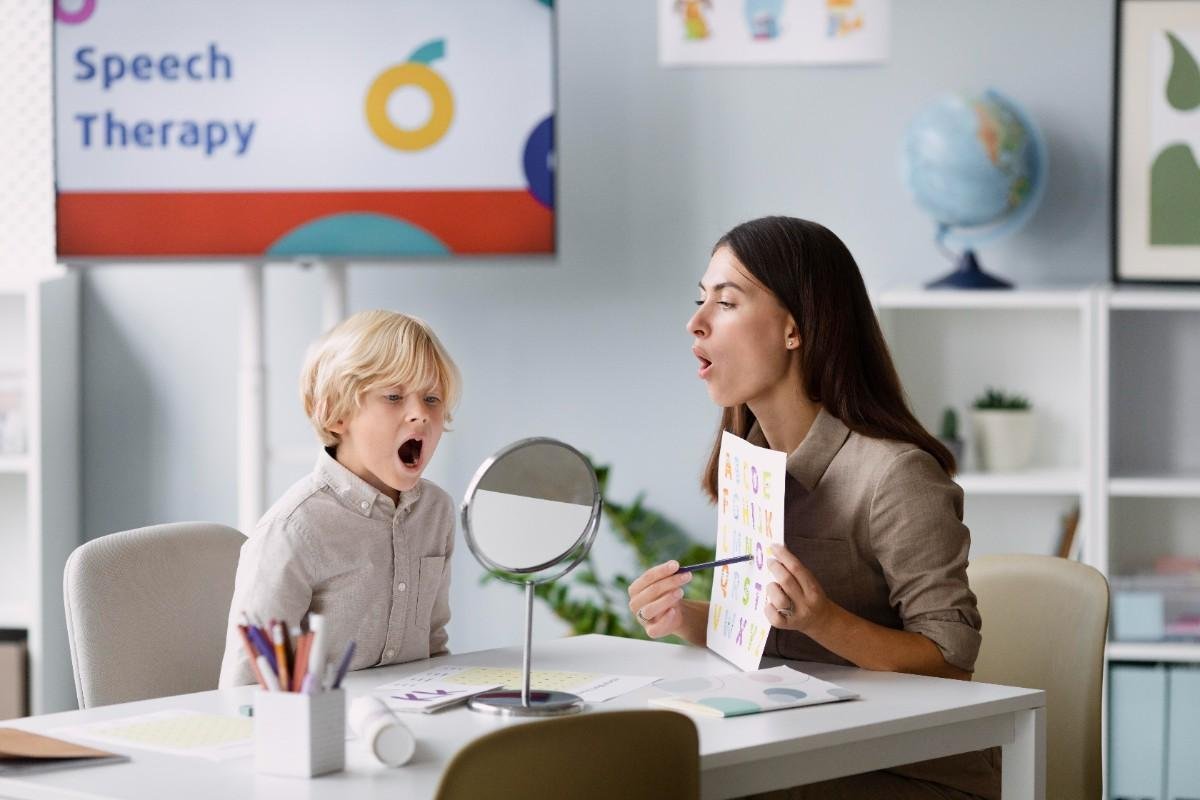
Delayed Speech
Delayed speech, also known as speech delay, is a common developmental concern in children, characterized by a slower-than-expected development of speech and language skills compared to age-appropriate milestones. It affects approximately 5–10% of preschool-aged children and can stem from various causes, including developmental, environmental, or medical factors. Early identification and intervention are critical to improving communication skills and preventing long-term academic, social, and emotional challenges. Counselling plays a pivotal role in supporting children and families, addressing concerns, and guiding them through interventions. This 3,000-word guide explores the causes, symptoms, diagnosis, management, and counselling strategies for delayed speech, providing evidence-based insights for parents, educators, healthcare providers, and counsellors to foster optimal language development in children.
1. Overview of Delayed Speech
Speech delay refers to a child’s failure to meet expected speech and language milestones for their age. Speech involves the physical production of sounds (articulation, fluency), while language encompasses understanding (receptive) and expressing (expressive) meaning through words, gestures, or sentences. Delayed speech may affect one or both components and can be:
Primary: Isolated delay without other developmental issues.
Secondary: Associated with underlying conditions (e.g., autism, hearing loss).
Developmental Milestones
By 12 months: Babbling, first words (e.g., “mama”), responding to name.
By 18 months: 10–50 words, simple phrases, following basic instructions.
By 2 years: 200–300 words, two-word sentences (e.g., “want juice”), 50% speech intelligible to strangers.
By 3 years: 900+ words, three-word sentences, 75% intelligible, asking “why” questions.
By 4 years: Complex sentences, storytelling, 90% intelligible.
Children with delayed speech may lag significantly behind these benchmarks, prompting concern from parents or caregivers.
2. Causes and Risk Factors
2.1 Causes
Developmental Factors:
Expressive Language Delay: Difficulty producing words or sentences, often resolving with intervention.
Receptive-Expressive Delay: Challenges in both understanding and expressing language, often linked to broader developmental issues.
Medical Conditions:
Hearing Loss: Congenital or acquired (e.g., chronic ear infections) impairs language input.
Autism Spectrum Disorder (ASD): Social communication deficits affect speech development.
Intellectual Disability: Global developmental delays impact language acquisition.
Cerebral Palsy: Motor impairments affect speech articulation.
Genetic Disorders: Conditions like Down syndrome or Fragile X syndrome.
Neurological Issues:
Apraxia of Speech: Difficulty planning and coordinating speech movements.
Brain Injury: Trauma or perinatal complications affecting language centers.
Environmental Factors:
Limited language exposure (e.g., minimal verbal interaction, excessive screen time).
Bilingualism (temporary delay in some cases, not a primary cause).
Neglect or socioeconomic deprivation affecting stimulation.
Oral-Motor Issues:
Weakness or coordination problems in mouth muscles (e.g., due to cleft palate).
Tongue-tie restricting articulation.
2.2 Risk Factors
Family history of speech/language disorders or developmental delays.
Prematurity or low birth weight.
Male gender (boys are more likely to experience speech delays).
Chronic ear infections (otitis media) causing fluctuating hearing loss.
Parental education level or socioeconomic status impacting language stimulation.
3. Symptoms and Identification
3.1 Symptoms
Infants (0–2 years):
Limited babbling or vocalization by 12 months.
No first words by 15–18 months.
Difficulty following simple instructions (e.g., “wave bye-bye”).
Toddlers (2–3 years):
Vocabulary <50 words by 2 years.
No two-word phrases by 2.5 years.
Unintelligible speech or reliance on gestures.
Preschoolers (3–5 years):
Difficulty forming sentences or answering questions.
Persistent stuttering or articulation errors (e.g., substituting sounds).
Social withdrawal due to communication frustration.
Associated Signs:
Limited eye contact or social engagement (possible ASD).
Frequent ear infections or hearing concerns.
Behavioral issues (e.g., tantrums) from inability to communicate.
3.2 Identification
Parental/Teacher Observations:
Reports of limited speech, difficulty understanding, or social challenges.
Comparison to peers or siblings.
Screening Tools:
Ages and Stages Questionnaires (ASQ) for developmental milestones.
MacArthur-Bates Communicative Development Inventories (CDI) for vocabulary.
Language Development Survey for toddlers.
Professional Evaluation:
Speech-Language Pathologist (SLP): Assesses articulation, vocabulary, grammar, and comprehension.
Audiologist: Tests hearing to rule out auditory issues.
Developmental Pediatrician: Evaluates for ASD, intellectual disability, or neurological conditions.
ENT Specialist: Checks for structural issues (e.g., tongue-tie, chronic ear infections).
Diagnostic Tests:
Hearing tests (e.g., otoacoustic emissions, auditory brainstem response).
Neuroimaging (e.g., MRI) for suspected brain injury.
Genetic testing for syndromes (e.g., karyotyping for Down syndrome).
4. Management of Delayed Speech
Management involves early intervention tailored to the child’s needs, combining professional therapy, parental involvement, and environmental adjustments.
4.1 Speech and Language Therapy
Individual Therapy:
SLPs use play-based activities to build vocabulary, articulation, and sentence structure.
Techniques: Modeling, prompting, or augmentative communication (e.g., picture boards).
Group Therapy:
Peer interactions to practice social communication.
Focus on turn-taking, listening, and conversational skills.
Specific Interventions:
Apraxia: PROMPT (Prompts for Restructuring Oral Muscular Phonetic Targets) for motor planning.
Stuttering: Lidcombe Program for fluency training.
ASD-Related Delays: Applied Behavior Analysis (ABA) or social skills training.
Frequency: Weekly sessions (30–60 minutes), adjusted based on severity.
4.2 Medical and Surgical Interventions
Hearing Loss:
Hearing aids or cochlear implants for sensorineural loss.
Tympanostomy tubes for chronic otitis media.
Structural Issues:
Frenotomy for tongue-tie.
Surgical correction for cleft palate.
Neurological/Genetic Conditions:
Manage underlying disorders (e.g., antiseizure medications for epilepsy).
Multidisciplinary care for syndromes (e.g., Down syndrome).
4.3 Environmental and Parental Strategies
Language Stimulation:
Talk, read, and sing to the child daily to model language.
Use simple, repetitive phrases and expand on child’s utterances (e.g., “Ball!” → “Big red ball!”).
Reduce Screen Time:
Limit to <1 hour/day for children under 5 (AAP guidelines).
Encourage interactive play over passive media.
Structured Routines:
Consistent daily schedules to reduce anxiety and support communication.
Incorporate language-rich activities (e.g., naming objects during meals).
Parent Training:
Programs like Hanen’s “It Takes Two to Talk” teach parents to facilitate language.
Focus on responsive interaction and turn-taking.
4.4 Educational Support
Early Intervention Programs:
U.S.: Individuals with Disabilities Education Act (IDEA) Part C for children 0–3 years.
Individualized Family Service Plans (IFSPs) for therapy and support.
Preschool/School Services:
Individualized Education Programs (IEPs) for children 3+ years.
Classroom accommodations (e.g., visual aids, extra response time).
Teacher Collaboration:
Train educators to recognize delays and support communication.
Use peer modeling to enhance social language skills.
4.5 Monitoring and Follow-Up
Regular SLP assessments to track progress (every 3–6 months).
Monitor hearing and developmental milestones.
Adjust interventions based on response and emerging needs.
5. The Role of Counselling in Delayed Speech
Counselling supports children, parents, and families in navigating the emotional, practical, and social challenges of delayed speech. It is delivered by SLPs, psychologists, or school counsellors.
5.1 Goals of Counselling
Educate families about speech delay causes, prognosis, and interventions.
Address parental anxiety, guilt, or frustration about developmental concerns.
Support children in coping with communication-related social or emotional issues.
Promote adherence to therapy and home-based strategies.
Facilitate collaboration among families, schools, and healthcare providers.
5.2 Counselling Approaches
Psychoeducation: Explain normal vs. delayed speech, dispel myths (e.g., “bilingualism causes delays”).
Cognitive-Behavioral Therapy (CBT): Address child’s frustration or parental anxiety about progress.
Motivational Interviewing (MI): Encourage parental commitment to therapy and language stimulation.
Family Therapy: Resolve conflicts or align family expectations about intervention.
Group Counselling: Support groups for parents to share experiences and reduce isolation.
5.3 Counselling Settings
Clinical: SLPs or psychologists counsel during therapy sessions or medical visits.
School-Based: Counsellors support children with social or academic challenges.
Community-Based: Workshops or support groups through organizations (e.g., American Speech-Language-Hearing Association).
Telehealth: Virtual sessions for remote or ongoing support.
6. Counselling Strategies for Specific Challenges
6.1 Parental Anxiety and Guilt
Education:
Clarify that most delays are multifactorial, not caused by parenting.
Highlight high success rates with early intervention (e.g., 70–80% of expressive delays resolve by age 5).
Emotional Support:
Use CBT to address fears about long-term outcomes.
Validate feelings with active listening (e.g., “It’s normal to feel worried.”).
Practical Strategies:
Provide resources (e.g., ASHA’s milestone guides, parent training programs).
Encourage small, achievable goals (e.g., reading one book daily).
6.2 Child’s Frustration and Social Challenges
Education:
Teach children simple communication strategies (e.g., gestures, pointing).
Explain to peers/teachers how to support the child’s communication.
Emotional Support:
Use play-based CBT to reduce frustration or social anxiety.
Foster self-esteem through praise for communication attempts.
Practical Strategies:
Use augmentative tools (e.g., picture exchange communication system) for severe delays.
Arrange playdates to practice social skills.
6.3 Adherence to Therapy
Education:
Explain how consistent therapy improves outcomes (e.g., 2–3 years for severe delays).
Highlight the role of home practice in reinforcing skills.
Motivational Support:
Use MI to align therapy with family values (e.g., helping the child succeed in school).
Celebrate milestones (e.g., first sentence) to maintain motivation.
Practical Strategies:
Provide schedules or apps (e.g., Speech Blubs) for home exercises.
Offer teletherapy for busy families.
6.4 Underlying Conditions (e.g., ASD, Hearing Loss)
Education:
Explain how conditions like ASD or hearing loss affect speech.
Outline multidisciplinary care (e.g., SLP, audiologist, behavioral therapist).
Emotional Support:
Address parental grief or denial about diagnoses using family therapy.
Support children with social deficits through group counselling.
Practical Strategies:
Refer to specialists (e.g., ENT for hearing aids, neurologist for ASD).
Coordinate with schools for IEPs or accommodations.
7. Challenges in Managing Delayed Speech
Delayed Diagnosis: Parents may dismiss delays as “late talking,” delaying intervention.
Access: Limited SLPs or early intervention programs in rural or low-income areas.
Stigma: Cultural beliefs or embarrassment about developmental issues.
Parental Overload: Time, financial, or emotional strain from therapy demands.
Comorbidities: Conditions like ASD or ADHD complicate speech progress.
8. Strategies to Enhance Management and Counselling
Early Screening:
Implement universal developmental screenings at well-child visits (e.g., 18, 24 months).
Train pediatricians to recognize red flags (e.g., no words by 18 months).
Parental Empowerment:
Offer workshops on language stimulation (e.g., Hanen programs).
Provide multilingual resources for diverse families.
School Collaboration:
Train teachers to identify delays and refer to SLPs.
Develop classroom strategies (e.g., visual schedules, peer buddies).
Technology:
Use teletherapy to reach underserved areas.
Recommend apps like Lingokids or Articulation Station for practice.
Community Support:
Establish parent support groups or helplines (e.g., ASHA’s resources).
Partner with NGOs for free or subsidized therapy.
9. Future Directions
Research: Study long-term outcomes of early speech interventions.
Technology: Develop AI-driven speech therapy apps for personalized exercises.
Policy Advocacy:
Mandate universal speech screenings in preschool settings.
Increase funding for SLPs in public schools and clinics.
Global Health:
Expand early intervention programs in low-resource settings.
Train community health workers in speech delay identification.
Inclusive Approaches: Address bilingualism and cultural diversity in speech therapy protocols.
Conclusion
Delayed speech in children is a multifaceted issue requiring early identification, targeted intervention, and comprehensive support to optimize communication development. By addressing causes like hearing loss, autism, or environmental factors through speech therapy, medical management, and parental strategies, most children can achieve significant progress. Counselling is essential to alleviate parental anxiety, support children’s emotional needs, and ensure adherence to interventions. Overcoming challenges like access, stigma, and comorbidities involves collaboration among families, schools, and healthcare systems. As research, technology, and policy evolve, enhanced screening, innovative tools, and global outreach will further improve outcomes, empowering children to communicate effectively and thrive.